
Óptica Mióptica · Posdata es arte
Nicolás Consuegra uses everyday elements to address topics of interest about space, the relationship between the functional and the non-functional, and visual perception. In “Planta libre” he focuses on the architectural paradigm of the same name, questioning the symbolic dimension of each one. In “Myoptic Optics” a tension is seen between our specularity and the possibility of looking through. In “The beginning of the work” it is questioned who supports the system and who is supported. In “Mirada sin nombre” he reflects on the act of observing and being observed. Lastly, “Naturaleza muerta” brings the Colcultura brand to life, signaling the tendency of certain institutions to use the owl as part of their visual identity.
As manifested in previous projects, Nicolás Consuegra uses everyday items to address issues related to space, to relationships between function and non-function, to visual perception, to reflections about labour (as a symbolic and material activity), and to
the unit and the collectivity.
In Free plant, Nicolás recalls the architectural paradigm of the same name; the model and the hand that models it are intertwined, reversing each other’s symbolic dimension. Fingers as piles suggest the planes’ stability, however, it is the latter that restrict their organic movement.
A mirror shaped as a grate frame -piece that gave its title to the exhibition- Myoptic Optics, suggests the difficulty of seeing through or forward due to the obstinacy of staring at oneself.
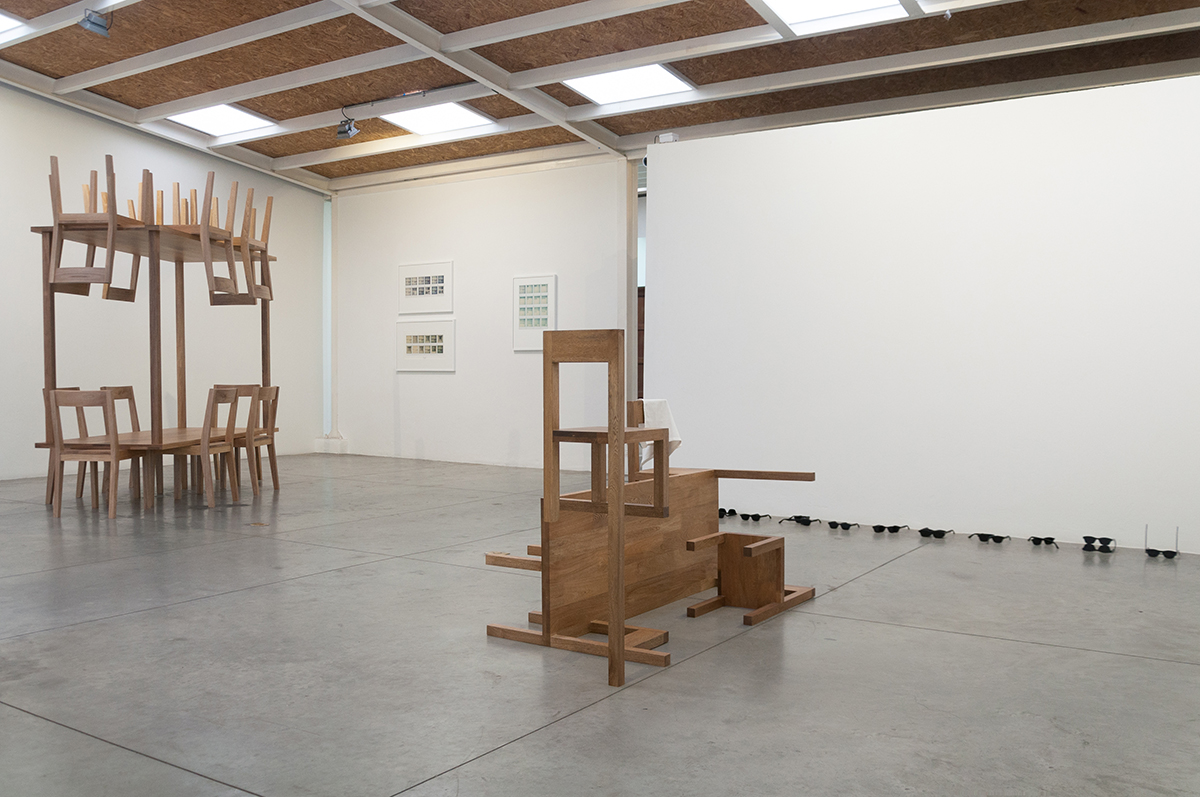
In The principle of work, a dining table extends itself into its own projection, as a palindrome or an antipode of itself. What supports what? Are chairs (individuals) those who hold up the table (a system)? Is the table holding the chairs?
In another work, Nicolas uses similar elements however linked to different references. In The Death of the Father, chairs are growing as rhizomes of a table in a way that indicates a posture of unemployment.
Eyewear models presented in Unnamed Glance expose a multiple dimension that seeks to alter our insistence on a dichotomous and polarized gaze-perhaps as a consequence of a bodily symmetry that we do not question.
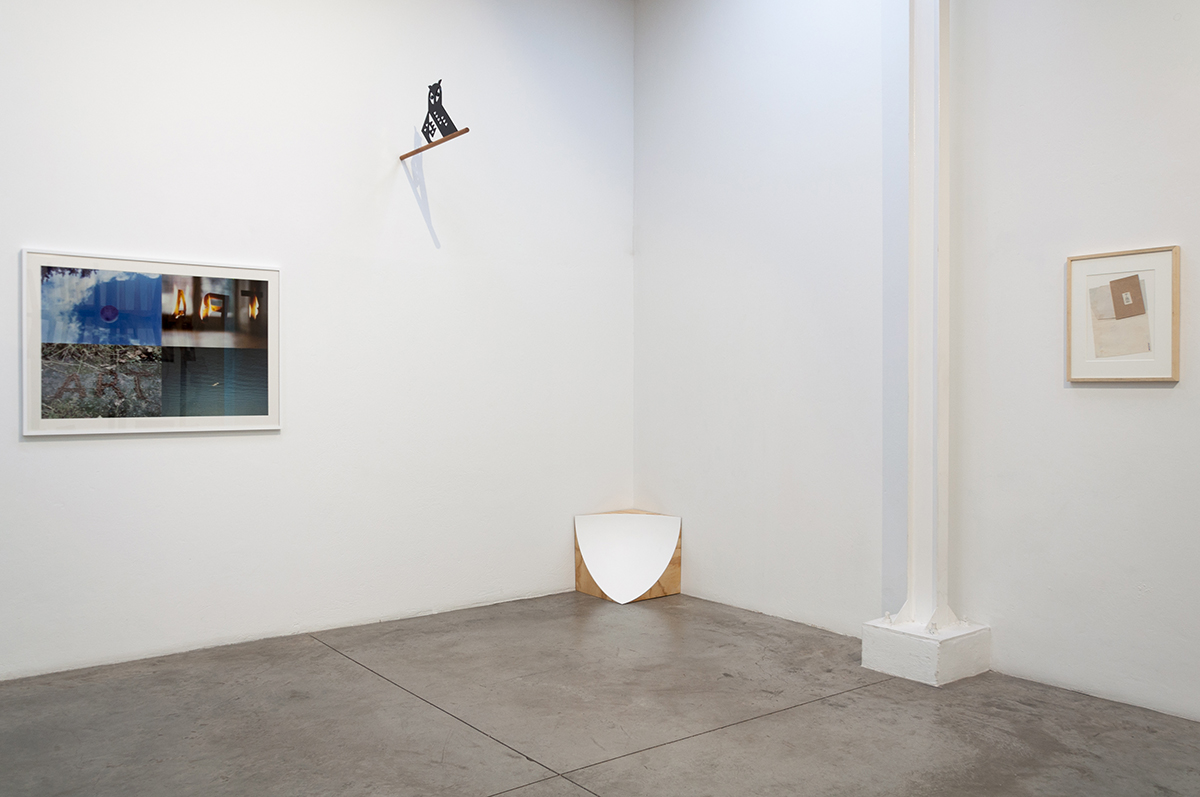
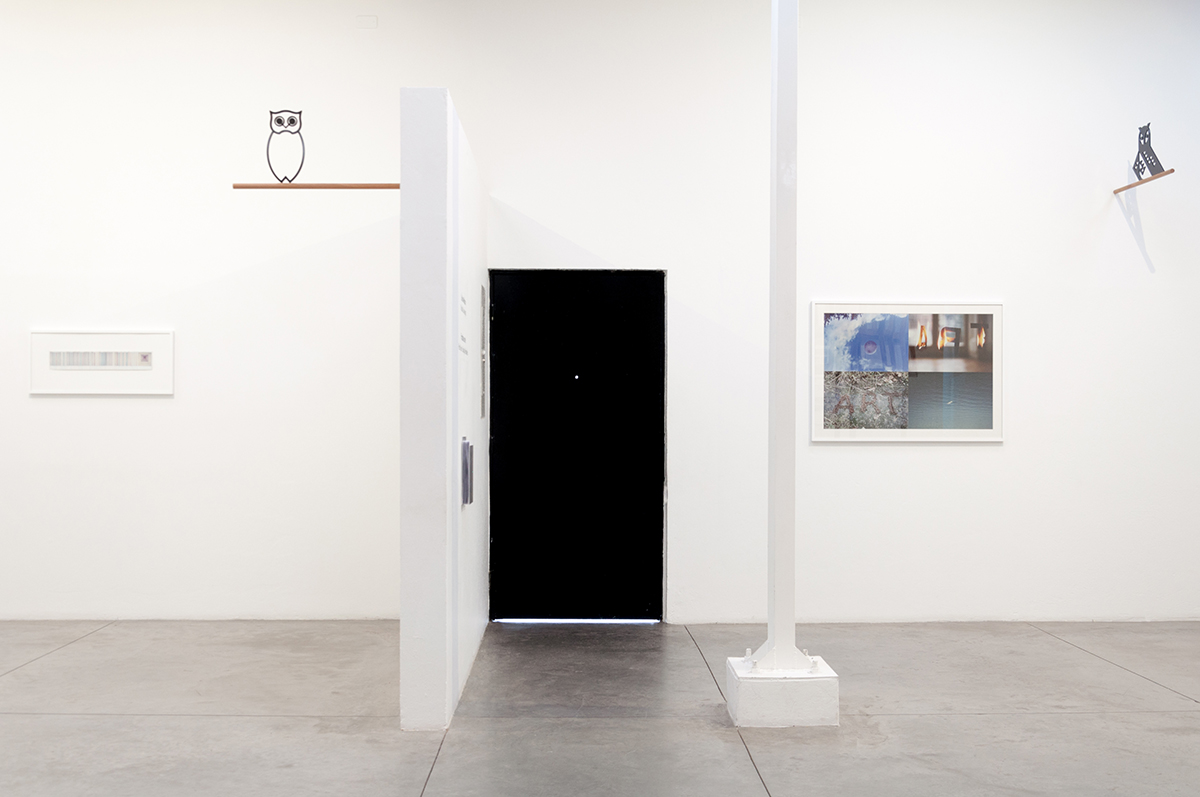
The presence of some owls in Still Life, symbol used previously as part of the image of Colcultura – entity that disappeared to give way to the current Ministry of Culture- and designed at that time by Marta Granados and Carlos Duque, emphasizes the interest of certain institutions to employ a bird as symbol for a cultural agency. Furthermore, the owl has a special connotation in the West as it is the bird that accompanies Minerva, goddess of wisdom, in Ancient Greek mythology. This owl-or moreover, these owls- marked an era of the culture in Colombia; they were a kind of vigilant and enigmatic figures that linger in cultural productions and continue to circulate in our memory, long after Colcultura ceased to exist.
Finally, in Thin Corner, Nicolas presents this specific point where the planes of the walls and that of the floor meet, and by doing so, merge in each other. This piece recalls an earlier work related to endless corners, commonly used in photography and whose condition is to not appear.
In reviewing constructive and symbolic elements, Nicolas seeks to reflect on the relationships between individual and collective work, between variations and deconstructions of the same object, its initial utility and our persistence to impose our understanding upon what is presented before our eyes.
——————————————————
Postscript: this is Art
The term Fine Arts was consolidated in the XVIII century to refer to the main arts and good use of technique. It included disciplines such as sculpture, dance, painting, poetry, music and architecture and sought to provide certain parameters defining good taste.
Although society shows stubbornness in understanding and accepting it: for more than a century, art ceased being matter of “good taste”. Art as ornament recedes into the background to leave its space to a process of thought. What was at the beginning an evolutionary path towards beauty and illusion becomes a fall into the void, something indefinable, incomprehensible; the artwork is dematerialized; it becomes a philosophy of thought and walks away from the understandable.
What is Art and what is not? The question arose as the starting point of artistic processes since the beginning of the XX century when artists like Duchamp responded with a urinal or Piero Manzoni with a jar of shit. However, this question may result tautological since art is what the artist decides it to be.
Under these assumptions, IV presents as part its Visionaries program, the works of Pedro Terán and Santiago Rebolledo.
Pedro Terán (1943, Barcelona, Venezuela)
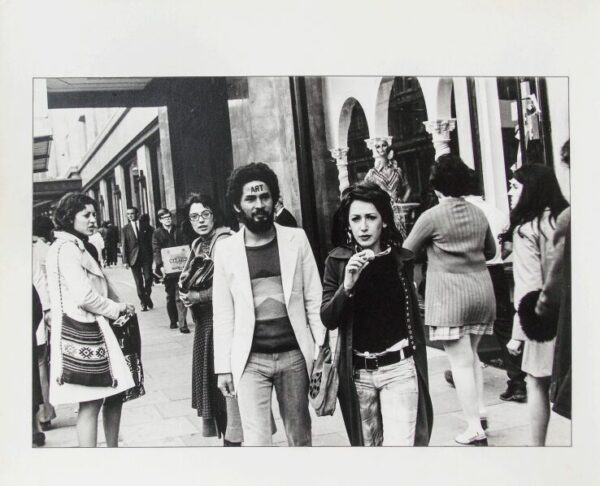
Pedro Terán is an artist whose work redefined the parameters of Venezuelan art in the seventies by introducing conceptual practices that raised the question of the possibility that life itself could be art. Along with artists in other latitudes, involving everyday life, its objects and activities was fundamental to Terán who went out to the streets to produce his works; his art was all about wandering. He put stamps with the word art on passersby, and set up new tracks to establish new ways of walking.
He studied at the School of Fine Arts in Caracas, the School of Fine Arts in Rome and the London Film School. Leaving his country allowed him to deepen his proposal: art was in the body itself, in the experience and in the wandering. The object was a simple consequence, never the central mission of his work.
Simultaneously to movements such as Fluxus, which was active in the sixties and seventies, his best known works seek to avoid art as merchandise, and operate from a different dialectic where its definition is precisely indefinable. In several of his most important works, his body becomes an extension of the landscape or space. In works such as “Body Exposure” (1975) or “Fabric” (1977) his body, usually naked, is fragmented to camouflage itself or inserted into the reality in a almost abstract manner.
As mentioned in Gabriela Rangel’s text for El Museo del Barrio’s catalogue “Arte ≠ Vida: Actions by Artists of the Americas 1960-2000”, using gestures of extreme masculinity, Terán unfolds his body to feminize it and show his subjectivity. In this sense, Terán makes a theoretical demarcation between performances -events that establish an intimate connection between the viewer, the body and the subjectivity that arises as time is ritualised- and, on the other side, actions directed towards public spaces where what happens is not inscribed in a ritual.
On the other hand, it is impossible to deny the abstract tradition when one is the heir of Venezuelan kinetic art. Terán was close to Otero and his interest in this optical abstraction is revealed in the polagramas; compositions made with multiple polaroids as part of a continuum or as fragments of an almost always abstract structure. The pieces seem to want to give movement to the photographs.
It is an honour for Instituto de Vision to welcome this visionary 35 years after his participation in one of the most important event for the redefinition of visual arts in Colombia -the Colloquium of Non-Objectual Art held in Medellin in 1981- coordinated by Alberto Sierra and with Juan Acha as artistic director. There Terán presented the performance “Clouds for Colombia” in which, taking the myth of “El Dorado” as starting point, he presented an offering with his body painted in gold.
Santiago Rebolledo (1951, Bogotá, Colombia)
Suma group is part of a large group of collectives that participated in Mexico’s artistic scene at the end of the seventies; years in which young artists were eager to incorporate in their work the criticism towards a society full of social tensions and marked by state violence. The critical event that catalysed a great number of artistic works was the October 2nd 1968 massacre during a demonstration in the Plaza de las Tres Culturas where students were violently dispersed by the police causing hundreds of deaths.
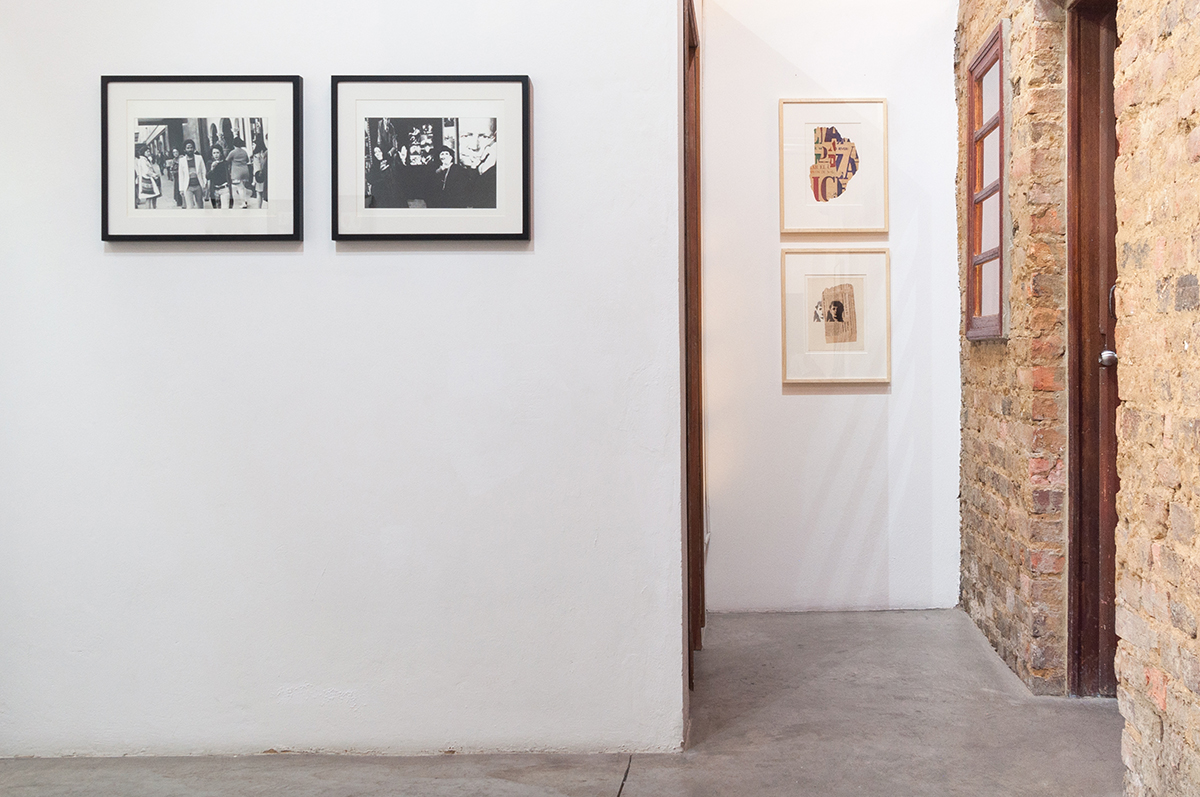
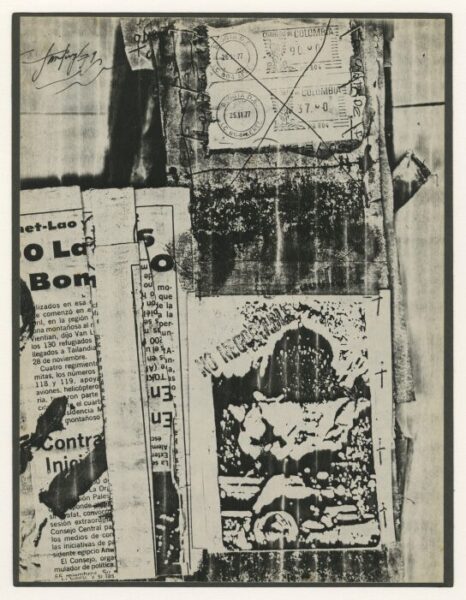
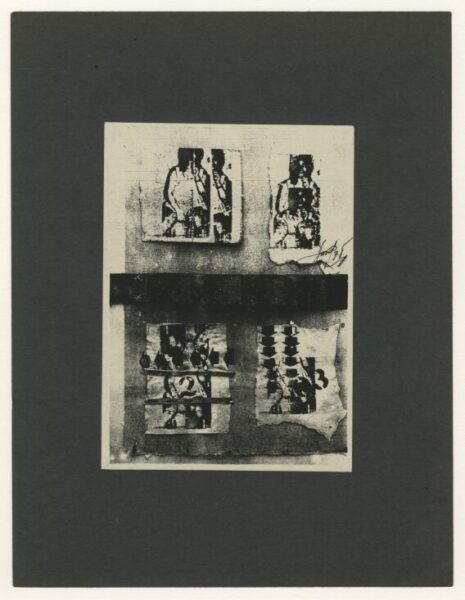
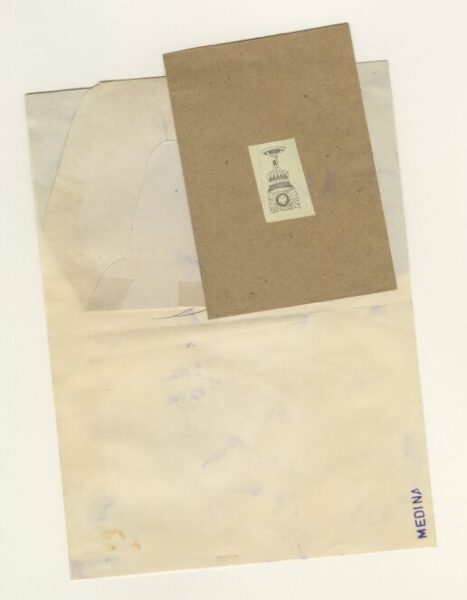
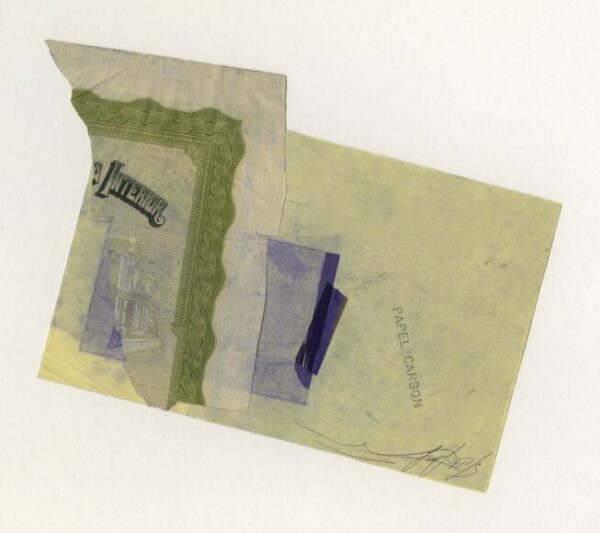
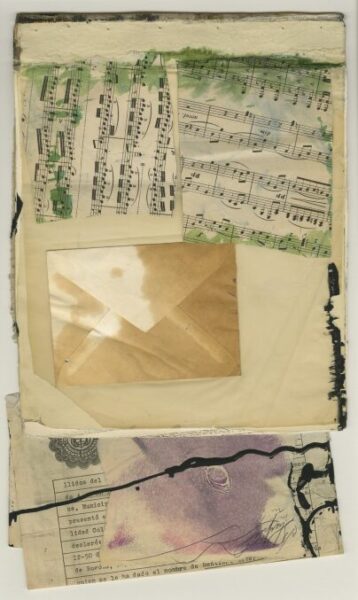
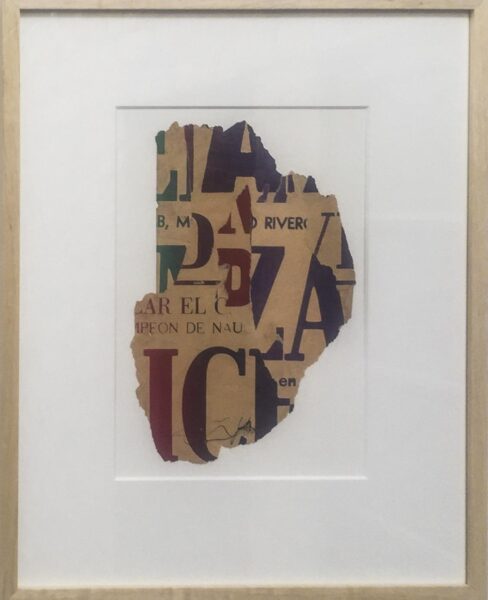
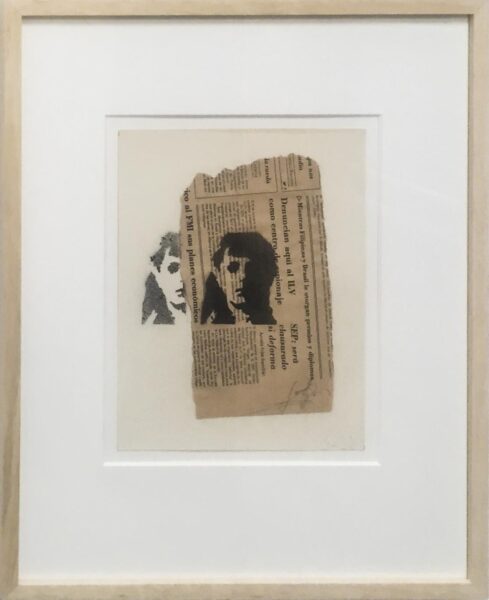
Art in public space, in Mexico as elsewhere, is often linked to state commissions. In the first half of the XX century, the great Mexican muralists (Rivera, Siqueiros and Orozco), called for the decoration of public buildings, created a particular and visually abundant expression, which orchestrated the construction of the country’s cultural identity. In contrast, Suma artists, also occupy the walls of the city, however without being invited. Their interventions combined signs, words and abstraction, and incorporate elements or techniques of urban popular culture that are often ephemeral. An ambiguous relationship of extreme instability is then created between supports, which are often walls, or in some cases simple sheets, and fragments of newspapers or posters. Suma then developed a new, more global and multicultural visual identity that exalts in an ironic way, objects of mass culture.
Suma artists, among which was Santiago Rebolledo, worked mostly under the umbrella of the group who signed with its initials and logo (a Mexican eagle) to maintain an anonymity that would protect them from the arbitrariness of the state in front of their protest acts. This group sought to redefine art by approaching the public in a different way, building their work without relying on institutions. Using posters torn from walls and other waste from mass culture, they incorporated recycling in their work.
Although Rebolledo’s work was done mainly collectively, it is important to highlight, as it is the case in Taller 4 Rojo in Colombia, that personal approaches appear here and there. Santiago Rebolledo uses urban vocabulary – found objects, clippings from magazines, envelopes, stamps and political posters- to make collages and plissages that combine and overlap clippings; moreover they are pioneer in the use of
mimeograph and photocopy.
Rebolledo took engraving courses with Humberto Giangrandi at the University of the Andes and in 1974, he joined the Taller 4 Rojo and Jorge Tadeo Lozano University of Fine Arts. In 1975 he emigrated to Mexico to study mural painting and there he developed his artistic career.
Suma, during its seven years of existence from 1976 to 1982, was composed of twenty artists: Oscar Aguilar Olea, Jose Barbosa, Paloma Diaz Abreu, René Freire, Oliverio Hinojosa, Armandina Lozano, Gabriel Macotela, Ernesto Molina, Alfonso Moraza, César Núñez, Hirman Ramirez, Armando Ramos, Mario Rangel Faz, Santiago Rebolledo, Jesus Reyes Cordero, Ricardo Rocha, Jaime Rodriguez, Arturo Rosales, Patricia Salas, Alma Valtierra, Luis Vidal, Guadalupe Sobarzo.
María Wills Londoño
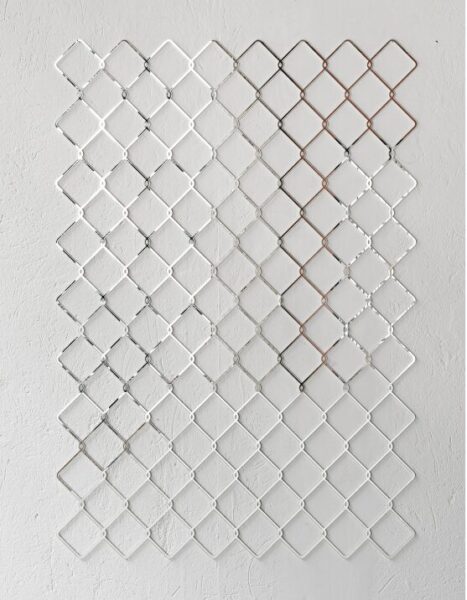
Myoptic Optics
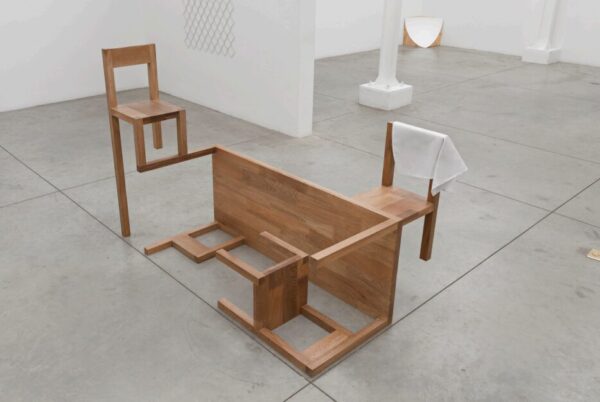
The death of the father
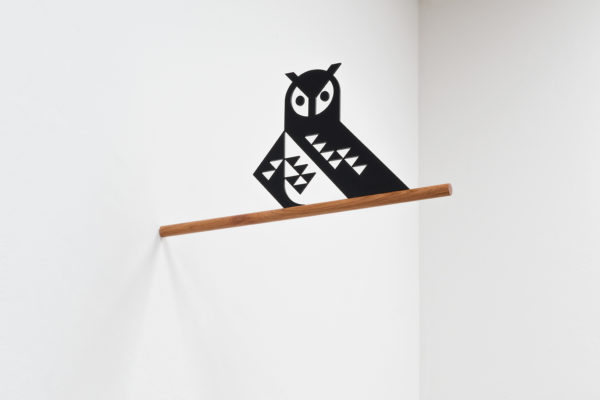
Still life
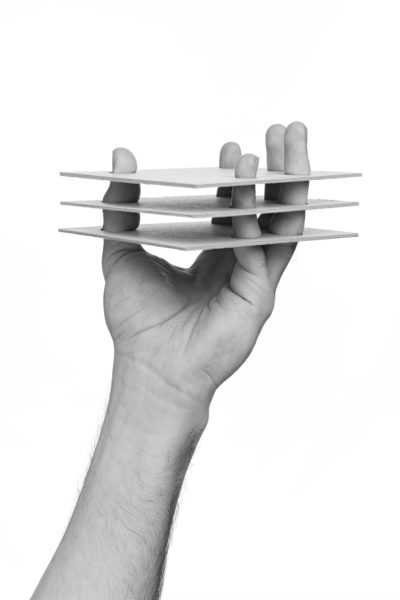
Free Plant
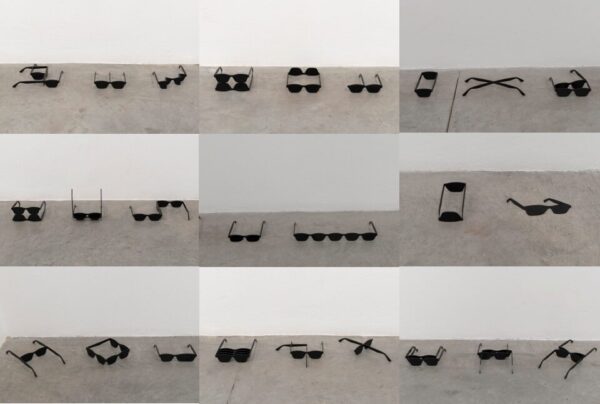
Unnamed Glance

Thin Corner
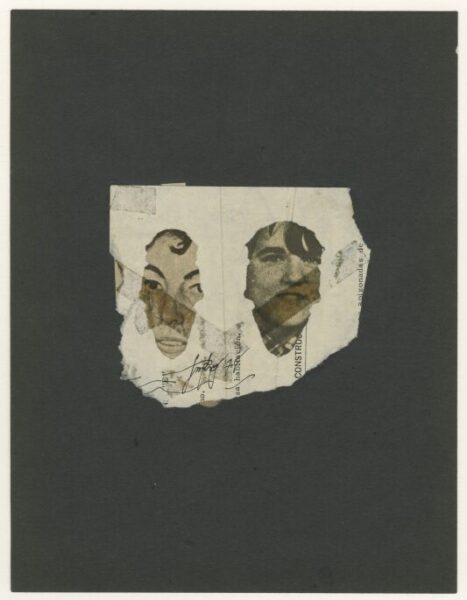
Untitled
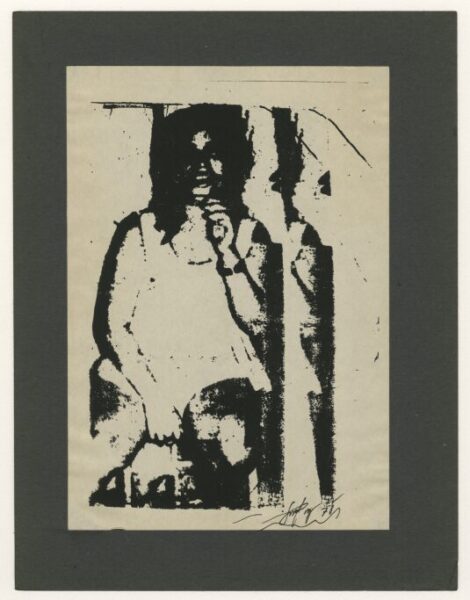
Untitled
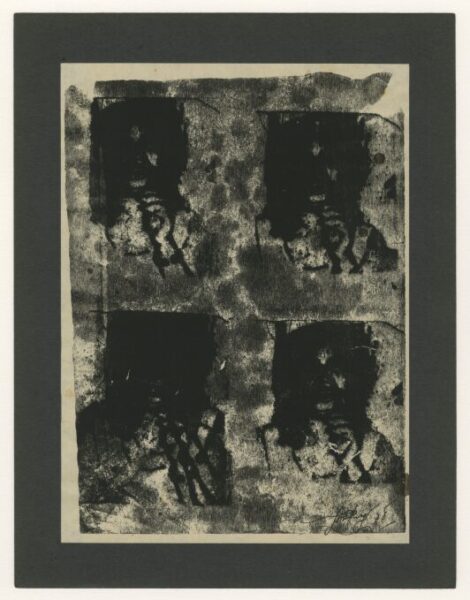
Untitled

untitled
Untitled
Untitled

Untitled
Untitled
Untitled
Untitled
Untitled
Untitled
Arte en la calle
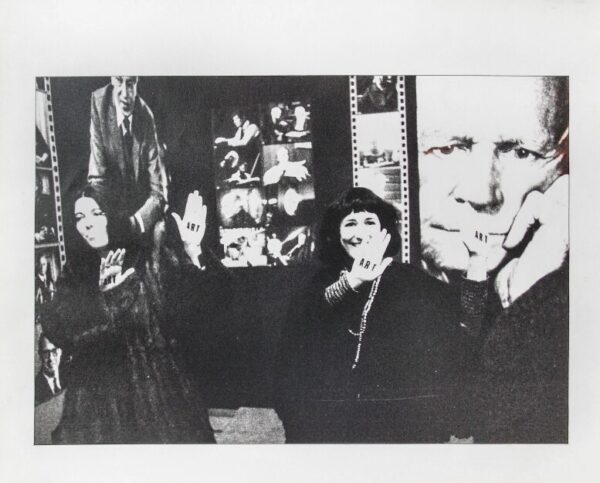
Arte en la calle

Arte en la calle
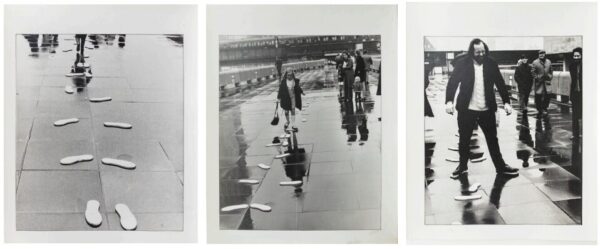
Steps 1;2 ;3

Arte y los elementos
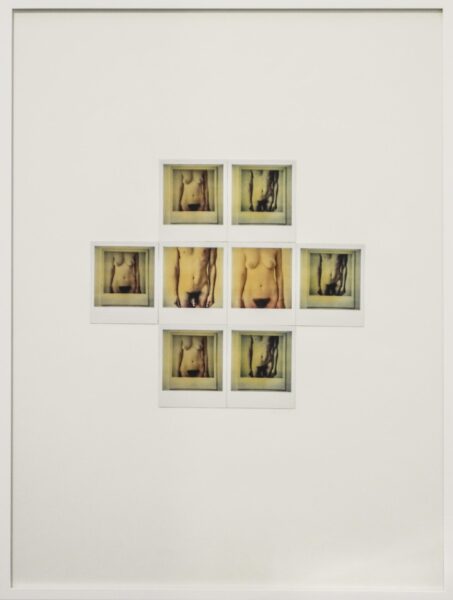
Polagramas Masculino y femenino
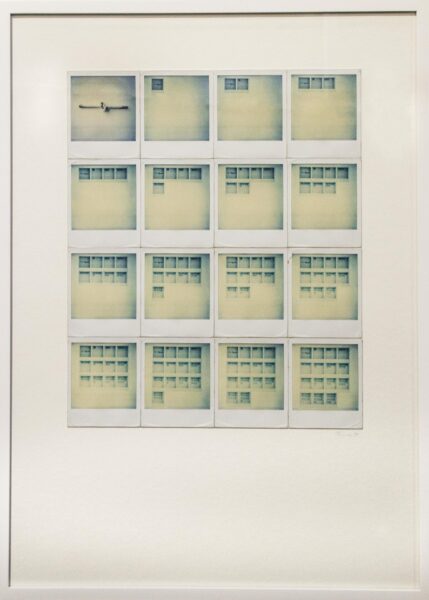
Pologramas 16-15
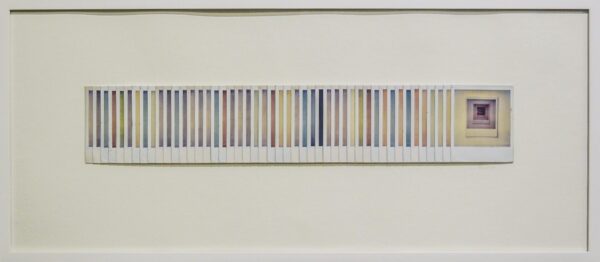
0-1 polagramas
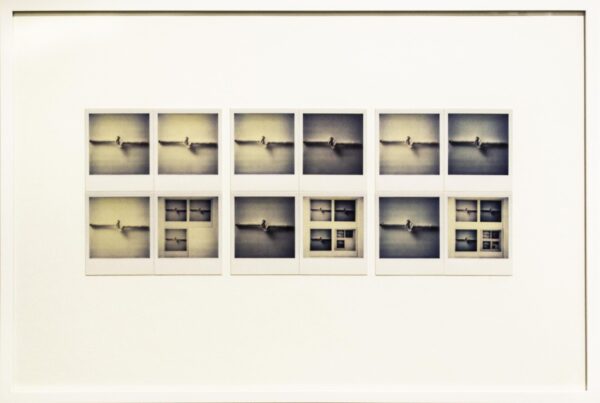
Pologramas 1-2-3
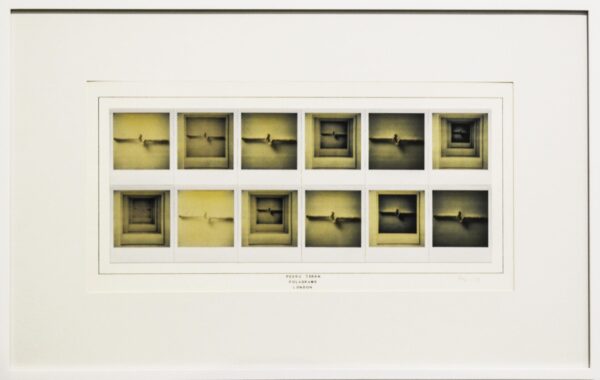
Pologramas loop
Bogotá
Carrera 23 # 76-74
Barrio San Felipe, Bogotá
Tel. +57 (60) 1 3226703
Lunes a Viernes
10:00 am a 05:30 pm